
Mimosa Wattle Bark Extract
Mimosa tanning extract is a natural product derived from the bark of the Black Wattle tree (Acacia mearnsii), originally from Australia. The Black Wattle species was introduced to South Africa for its timber in the 1800s. It was later discovered that the bark contained high levels of tannin, which can be used to cure and colour leather. This led to the tree being widely planted to produce tanning extract for the global leather industry.
Black Wattle (Acacia mearnsii) grows best in the cool mist-belt region of KwaZulu-Natal, South Africa, where the average rainfall is in excess of 800 mm. There are approximately 130 000 hectares of commercial Black Wattle grown by some 2 700 farmers, the majority of whom are small-scale growers. The trees are grown on a 10-year cycle and harvested rateably to ensure that growers receive a regular income from their trees and that a continuous and sustainable supply of high quality wattle bark is available for processing at the UCL Extract Factory. The factory has a capacity to process approximately 63 000 tons of bark per season from which it can manufacture approximately 18 000 tons of extract product.
View Our Wattle Extract Products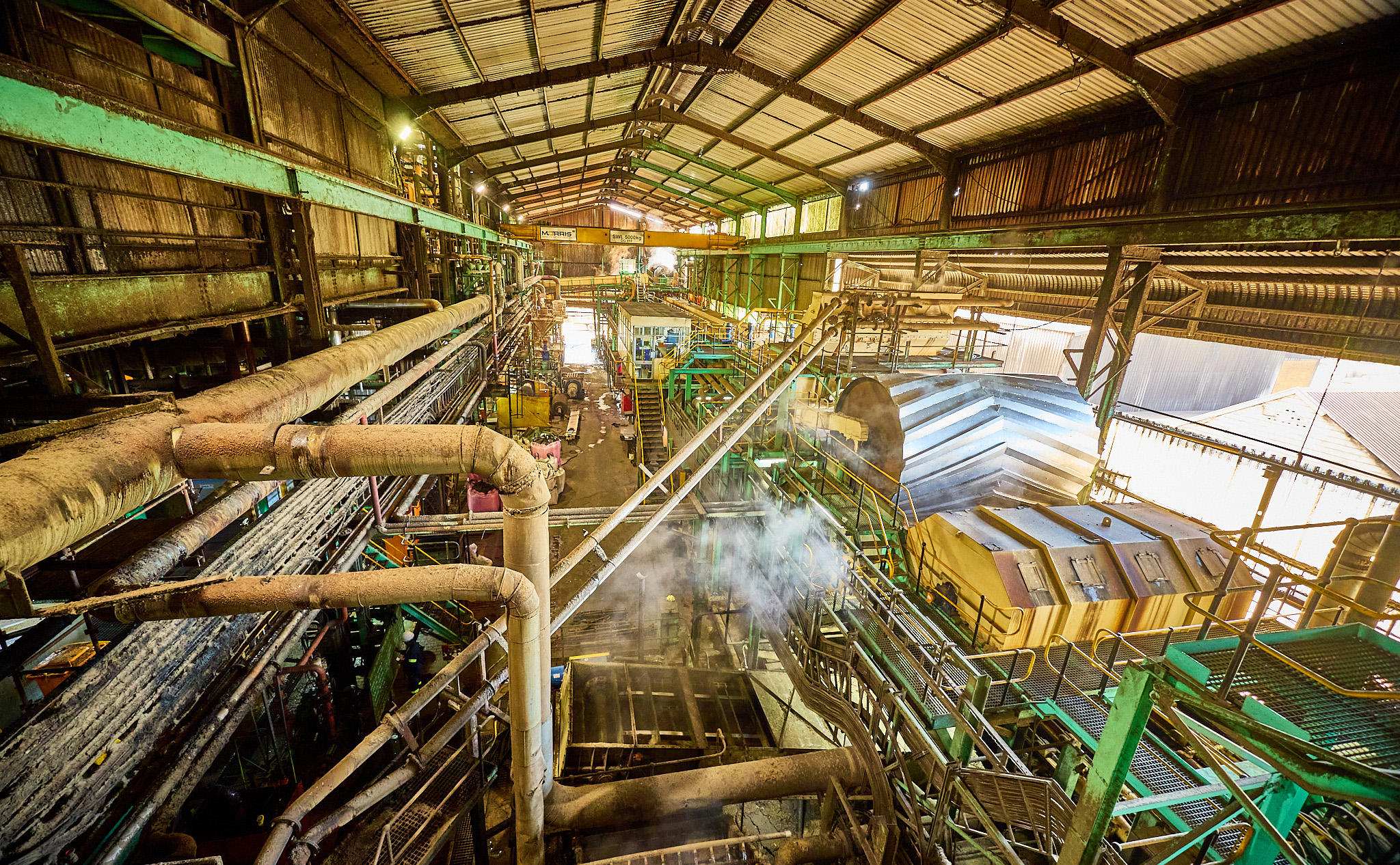
We export nearly all of our wattle bark extract and have a full range of Mimosa tanning products for the preferred choice of leather colours including light, yellow-brown, dark brown and golden. The factory operates seasonally from September, after the first rainfall, to June when the cold nights make the stripping of bark difficult.
The factory has a capacity of approximately 2 400 tons of bark per week from which it typically produces 680 tons of wattle extract. The wattle extract is mostly packed in 20 kg bags in powder format, which is produced by a spray drying process. In addition, it is processed into a “solid” extract form which is bagged in 25 kg hessian bags for the more traditional leather producing markets.
Sustainable Management
The bark, as well as the timber of the Black Wattle tree, is a much sought after commodity. For every ton of bark harvested the wattle tree also produces five tons of versatile hardwood timber. The trees are normally felled when they are ten years old, after which the bark is removed, bundled and dispatched to the extract factory. The high quality of the tanning extract is ensured by minimising the delay from harvest to processing. Once the timber and brushwood have been removed from site, the ensuing crop is established either by means of natural regeneration or seedlings. The young trees are carefully nurtured for the first two years after re-establishment to ensure the optimal development of the next growth cycle.